Seen Unseen speaks to the paradox at the heart of truck drivers’ lives. They are everywhere - on motorways, at borders, on the edges of cities at dawn - yet their labor, time, and sacrifices pass largely without recognition. Trucks are noticed; the people inside them rarely are.
This theme explores how drivers exist in constant public view while remaining socially invisible: moving the goods that sustain everyday life, waiting in lay-bys and depots, absorbing delays, fatigue, and isolation. Seen Unseen asks the viewer to slow down and look again, beyond the vehicle, beyond its function, to acknowledge the human presence that is always there, yet so easily overlooked.
At the same time, drivers are observers. Through long hours on the road, they witness landscapes, borders, cities, and lives passing by. Their perspective, shaped by movement and waiting, quietly narrates a world that few others get to see.
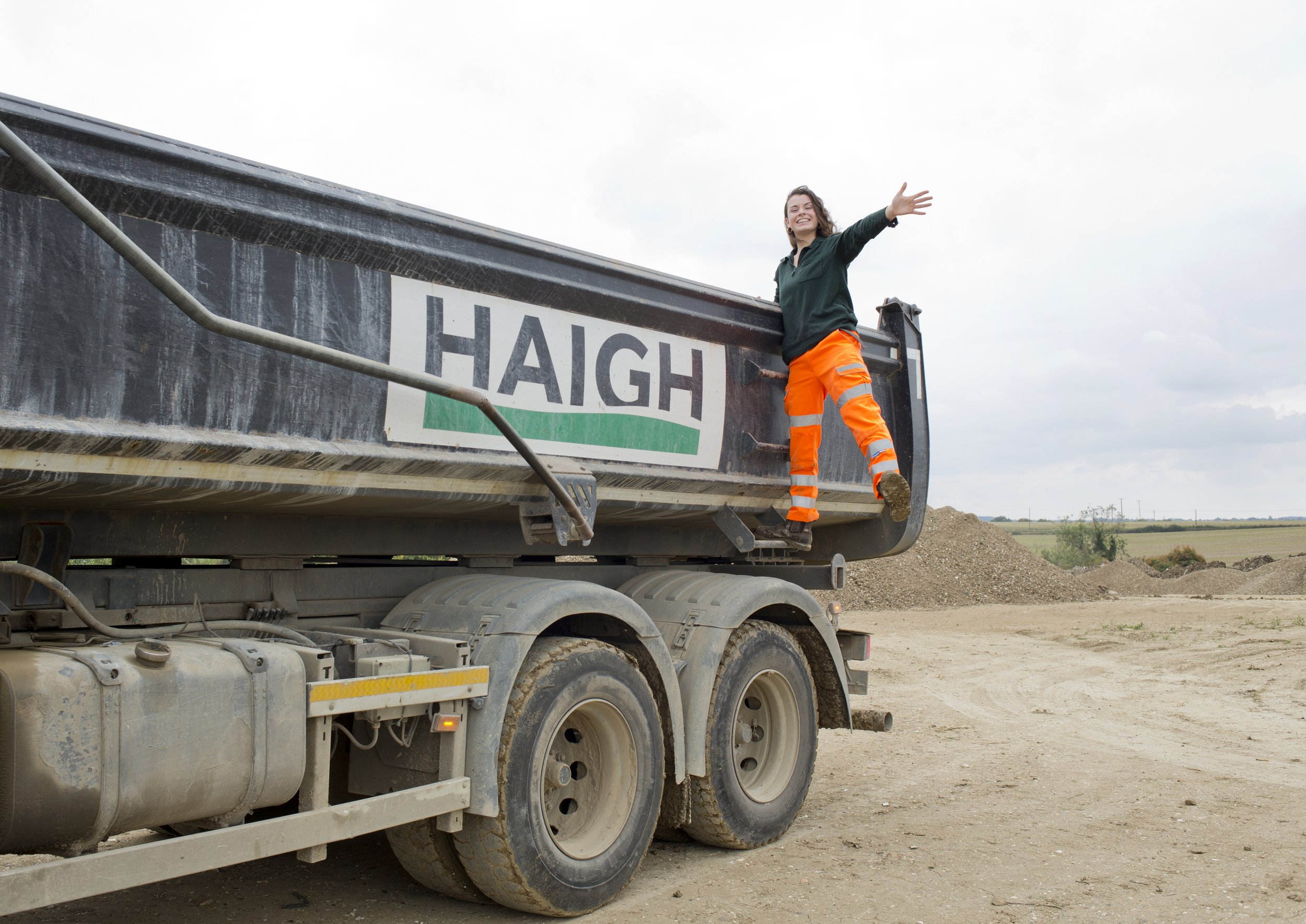
“The behind the scenes access that came with tipper driving - witnessing how the country is made and what keeps it running - is fascinating. Whether that be the organising and stacking of containers, the stages of groundworks, the expansion of sewage plants or regeneration of waste land. It is astounding to see the levels of work that go into so many everyday things that would otherwise be taken for granted”
Ruby Lee
Photo credit: Holly Revell
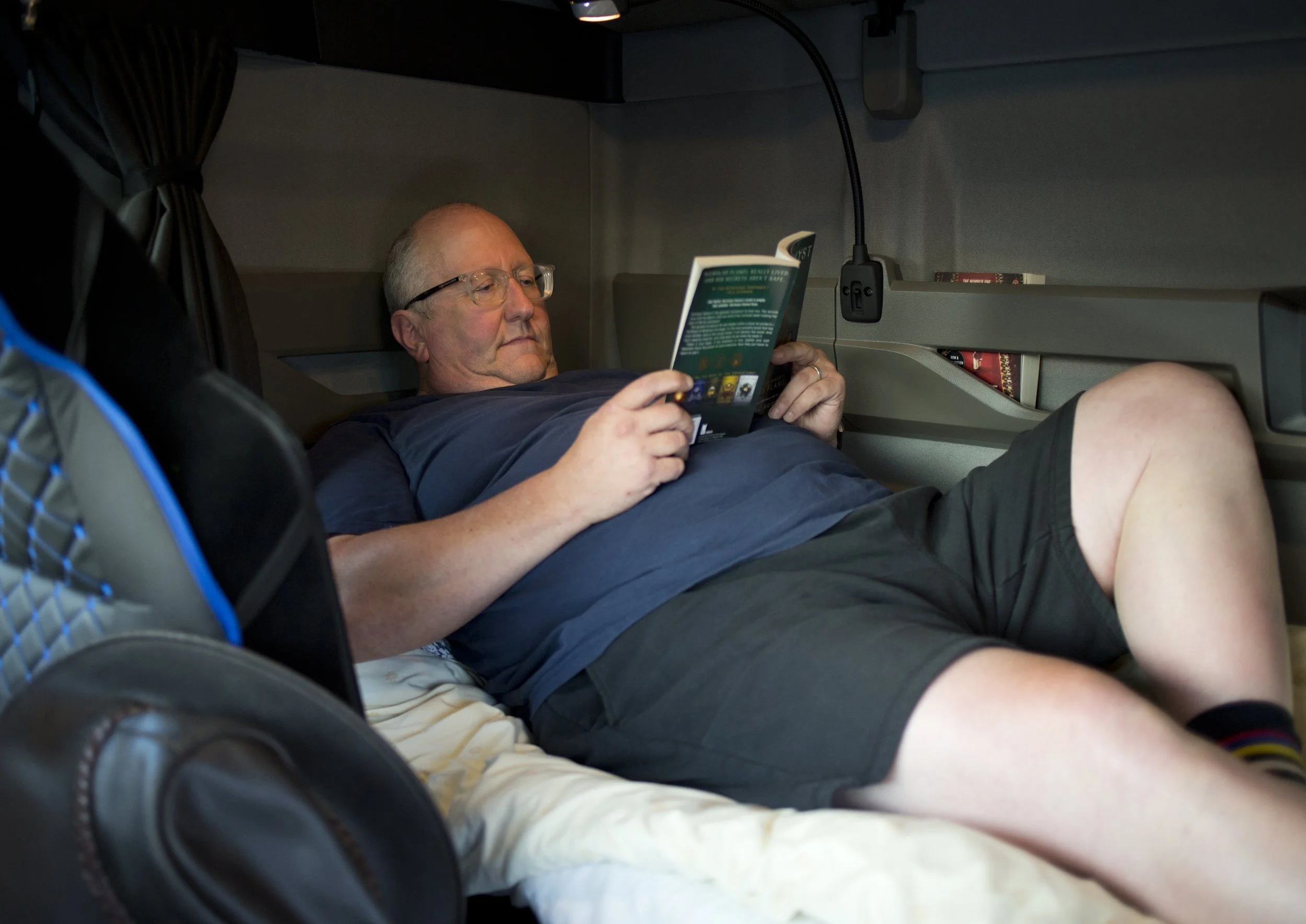
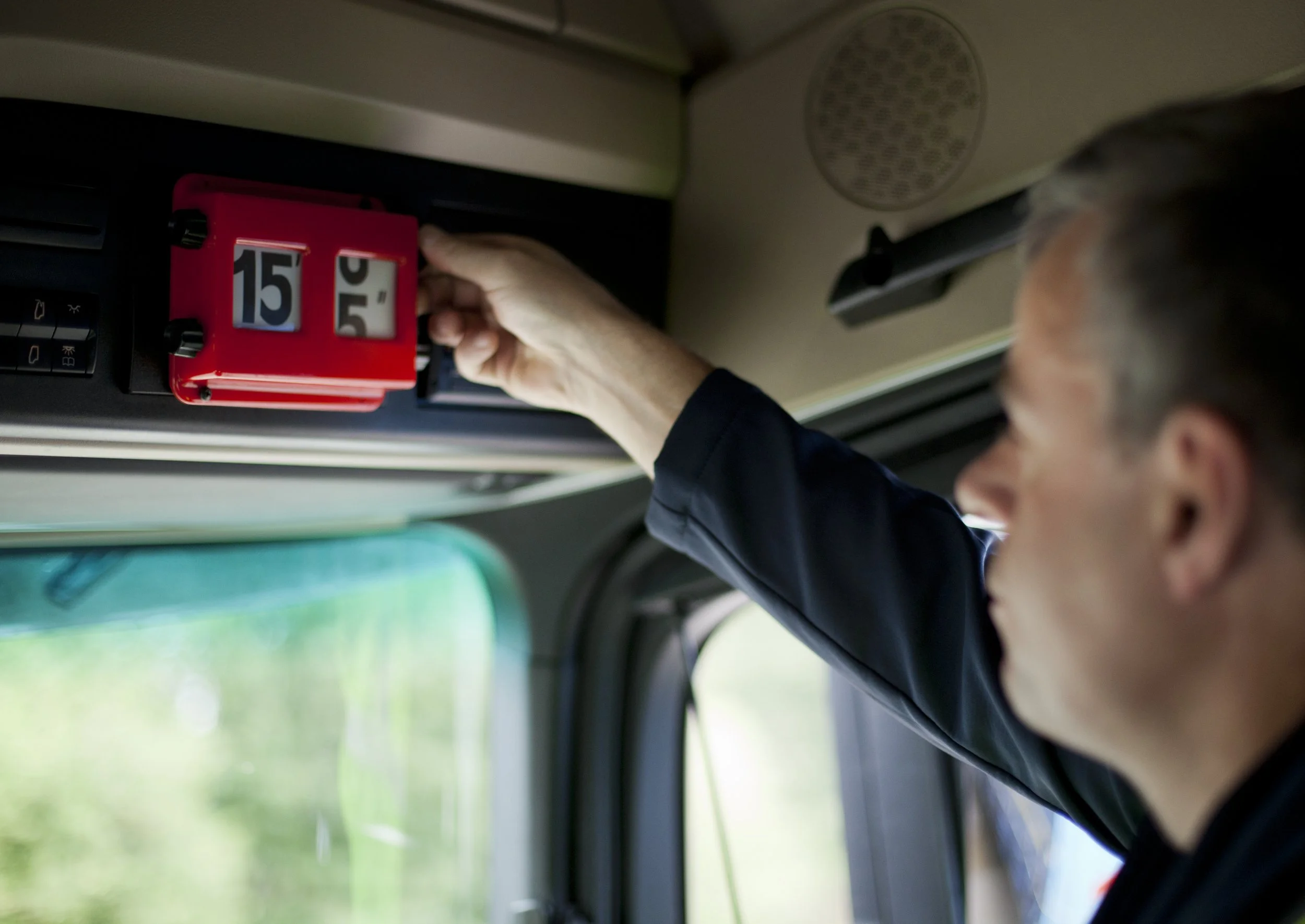
“The typical working day is usually about 10-12 hours long but can be up to 15 depending on workload, delays at delivery sites, traffic etc. In previous driving jobs it was common for me to get close to my maximum duty time every day. If I wasn't back by then it’ll mean a night out, sleeping in the cab of the lorry. If I haven’t found a lorry park to night out at by 6PM they’re usually full to capacity and I’ll have to spend the night on a deserted industrial estate or a lay-by. Motorway service areas are probably the safest but are very expensive to park at and the food is often very poor, the showering facilities I won’t describe. All parking areas can be targeted by gangs hoping to steal the load or fuel from the lorry’s fuel tanks…
Overall I'd say that driving an HGV is a bit more than just a job, it's more of a lifestyle choice as it can dominate your life, shifts can be very long and start/finish times can change with little or no notice, however it's relatively well paid and doesn't require a university degree with the associated student debt. Many drivers, including myself relish the idea of a ‘normal’ 9-5 job if we could find one that paid similar money”
Tim Rodgers
Photo credit: Holly Revell
“People have no idea of what goes on between A to B. From loading your trailer, securing the load, the vehicle been limited to 56mph, trying to get to your delivery on time”
Catherine Marsh
Photo credit: Holly Revell
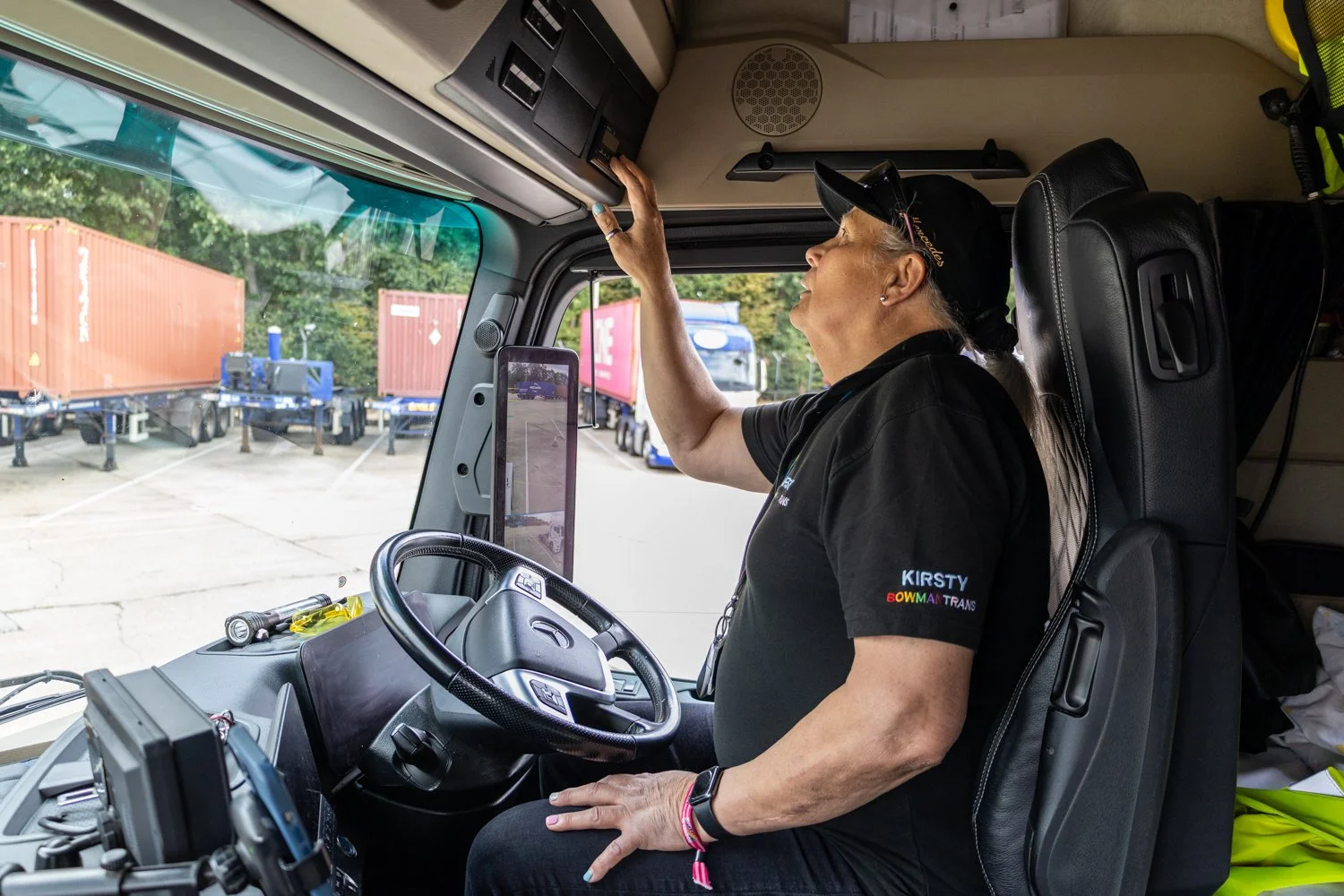
Her truck, Nancy4, is more than just a vehicle and a home during the working week, she’s a declaration and continues the visibility theme. The trading name of Kirsty’s company, BowmanTrans, is prominently displayed on the front for all to see. The “Bowman” letters are in bold rainbow colours, proudly reflecting the LGBTQ+ community, while the “Trans” stands out in the hues of the transgender flag. “There’s meaning in every part of it,” she explained. “I’ve accepted that I might not be seen as a particularly stereotypical woman, so I’m hiding in plain sight, embracing what I am and at the same time inviting people to see me for who I am. For me, authenticity in non-negotiable”
Kirsty Logan
Text and Photo credit: Melanie Pollard
“Persevering in the face of adversity on a daily basis and succeeding”
Steve May, “tramper” driver who spends weekdays in his truck
Photo credit: Holly Revell
As a young girl, Karina sat in the backseat of her parents’ car, travelling from Bournemouth to Coventry for family holidays. While other children might have dozed off,her eyes were fixed on the outside world: the endless ribbon of road, the blur of countryside, and the steady stream of lorries carving their own paths through the landscape. It was during those journeys that she first began to notice trucks, their scale, their presence, the sense of independence they carried.
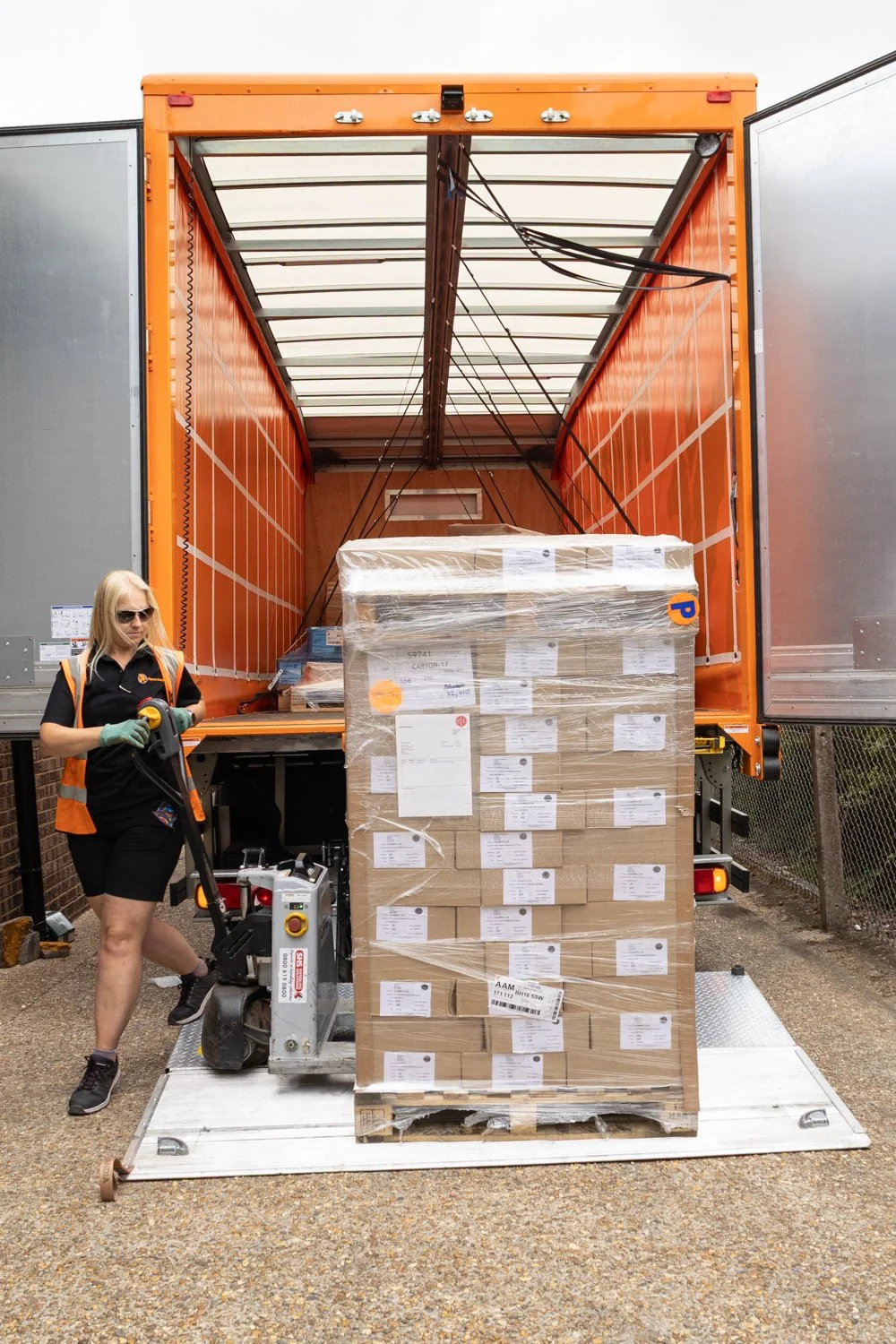
“People see a blonde woman getting out of a lorry and assume I don’t have a brain. They’re often surprised I used to work in investment banking, like it doesn’t match…People assume you must be aggressive to do this job, but I’m not. I’m a cautious, calm driver. I listen to music, audio books. I give people space. I don’t need to dominate the road.”
Karina Vizcaya
Text and Photo Credit: Melanie Pollard
-
![]()
Karina Vizcaya
Photo credit: Melanie Pollard
-
![]()
Steve May
Photo credit: Holly Revell
-
![]()
Kirsty Logan
Photo credit: Melanie Pollard
-
![]()
Catherine Marsh
Photo credit: Holly Revell
-
![]()
Tim Rodgers
Photo credit: Holly Revell
-
![]()
Ruby Lee
Photo credit: Holly Revel